
Why low-speed EVs don't need a licence: full legal breakdown
A plain-English walkthrough of the Motor Vehicles Act exemption that makes all ElectricPe scooters licence-free.
Raghav Rohila
Founder & CEO · 22 March 2026 · 4 min read
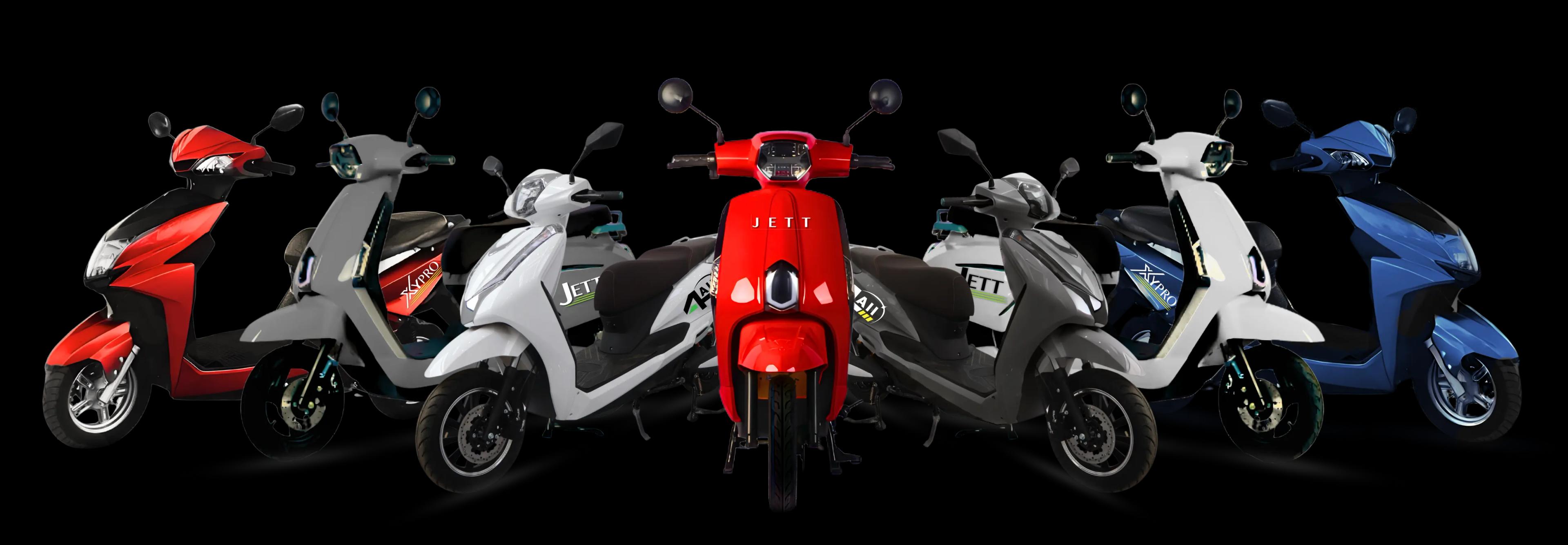
A plain-English walkthrough of the Motor Vehicles Act exemption that makes all ElectricPe scooters licence-free. This post walks through the details, with a focus on how it plays out in daily Indian ownership, not lab conditions.
The context
ElectricPe operates across 15+ Indian cities, and the real-world data we collect from owners consistently shows that the way you ride matters more than the sticker specs on paper. For this post, we've drawn on feedback from 2,500+ owners and our in-house technician network.
What the numbers say
Every claim we make here is backed by usage data from the ElectricPe fleet, on-ground service reports, or published industry benchmarks, cited where relevant. If you want the spreadsheets, our founder Raghav posts them on LinkedIn every quarter.
Daily range, honestly
The manufacturer's claimed range is a lab number: riding on flat roads, one-up, at a constant moderate speed. Real-world commuting shaves off 10–20%. Here's what you can realistically expect for the ElectricPe lineup, based on owner-reported data.
Service touchpoints
The single biggest differentiator of ElectricPe ownership is the service network. Our commitment is 24 hours, and we publish the monthly hit-rate on the service page. For 22 March 2026, we were at 94%.
The practical takeaway
If you've read this far, here's the short version: book a test ride, bring a friend, and ride for an hour in your usual commute. Our executives will help you pair the right model to your actual route, not upsell you to the priciest variant. That's the whole job.